



NÖROM: Migraine Brain Cannot Filter “Irrelevant”; Light and Patterns Trigger Pain
- According to NÖROM’s research, the migraine brain cannot filter visual stimuli; light and visual inputs that are normally insignificant turn into pain
- NÖROM Director Prof. Belen: “We identified a new mechanism in the frontal part of the brain that filters repetitive stimuli. A dysfunction in this system causes visual stimuli to directly turn into pain”
- “The intensity of lights in markets or shopping malls can be reduced. Some changes could be made. Changes are important for the well-being of society”
March 24, 2026
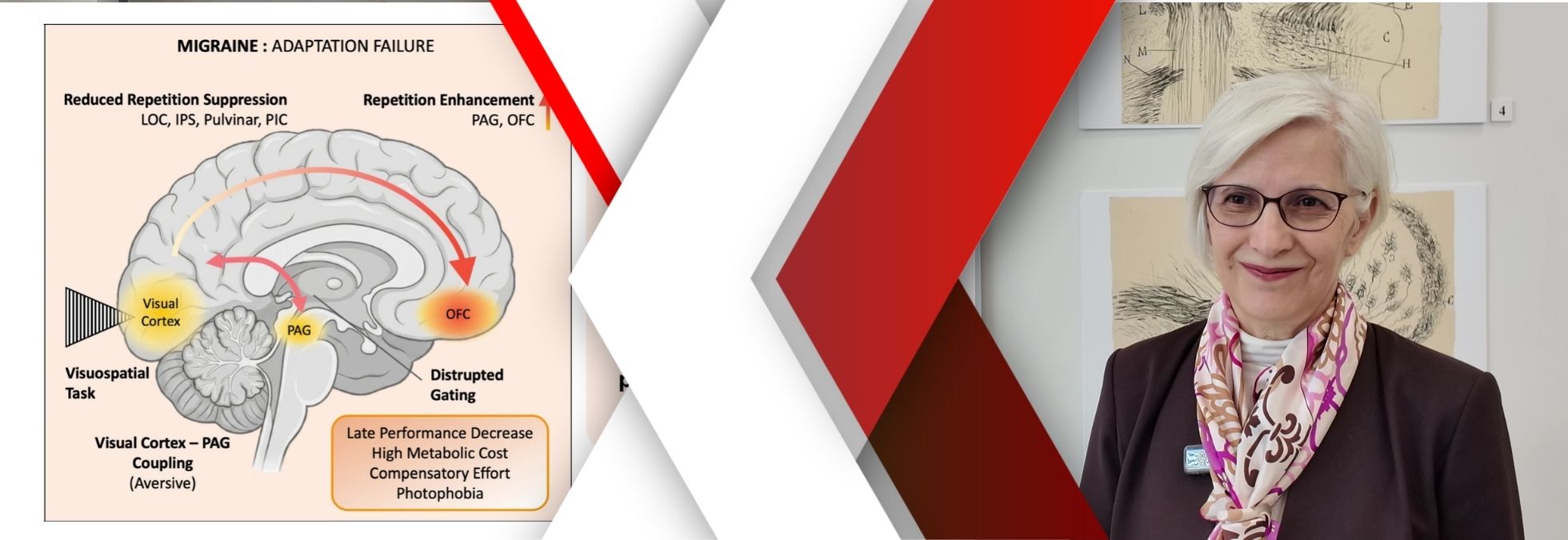
According to a new study by the Neuroscience and Neurotechnology Center of Excellence (NÖROM), the brains of individuals with migraine cannot habituate to repetitive visual stimuli. The brain, continuously treating these stimuli as significant, establishes a direct connection with pain mechanisms.
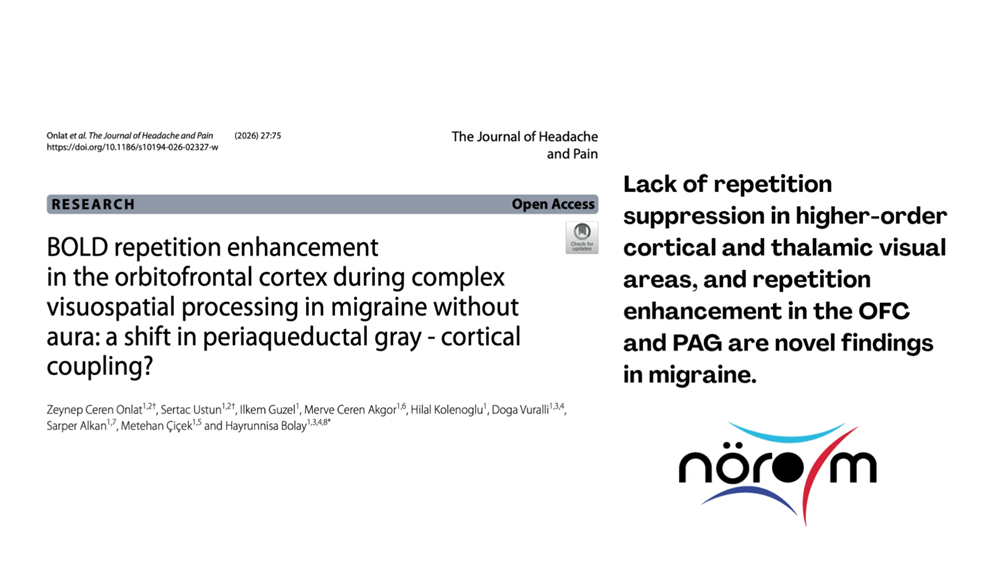
The study, conducted within NÖROM with contributions from researchers at Ankara University, was published in The Journal of Headache and Pain, one of the leading journals in the field of neuroscience.
Through a neuroimaging study conducted in Türkiye, NÖROM demonstrated that migraine is not limited to headache but is closely related to visual processing and pain mechanisms in the brain.
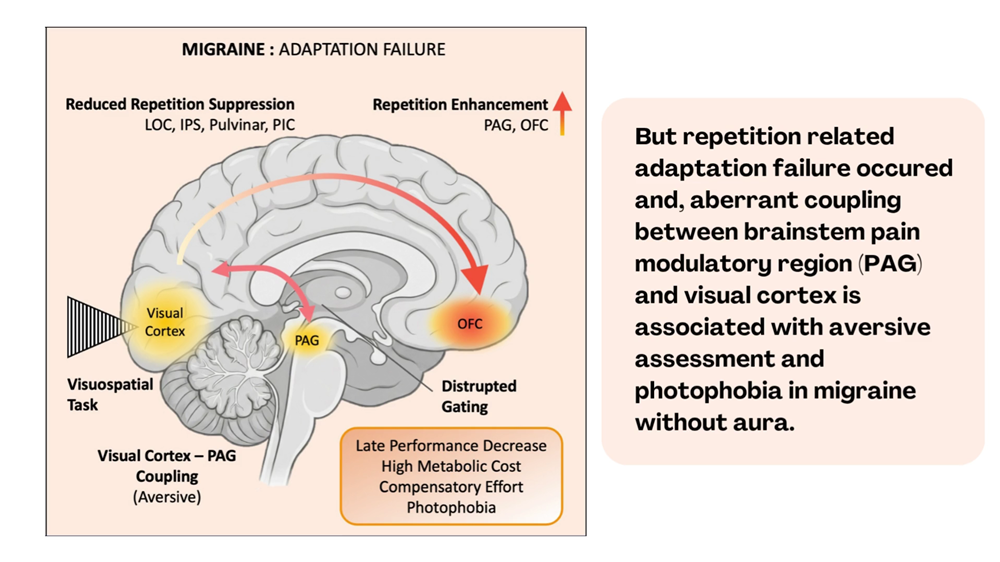
The study found that individuals with migraine fail to develop habituation to repetitive visual stimuli and that these stimuli are continuously coded as “important” by the brain.
A total of 59 female participants—30 with migraine and 29 healthy individuals—were examined. Despite not being in an attack phase, participants exhibited different brain responses to visual stimuli.
- “The migraine brain increasingly amplifies responses, unlike the normal brain”
Prof. Hayrunnisa Bolay Belen, General Assembly Member of the Council of Higher Education and Director of NÖROM, stated that the findings of the study were presented in the academic literature for the first time.
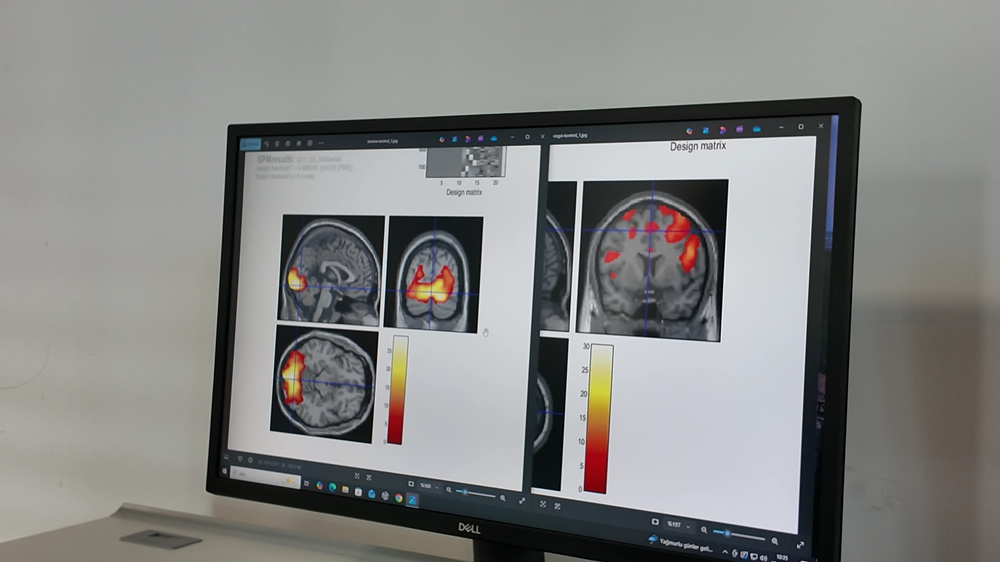
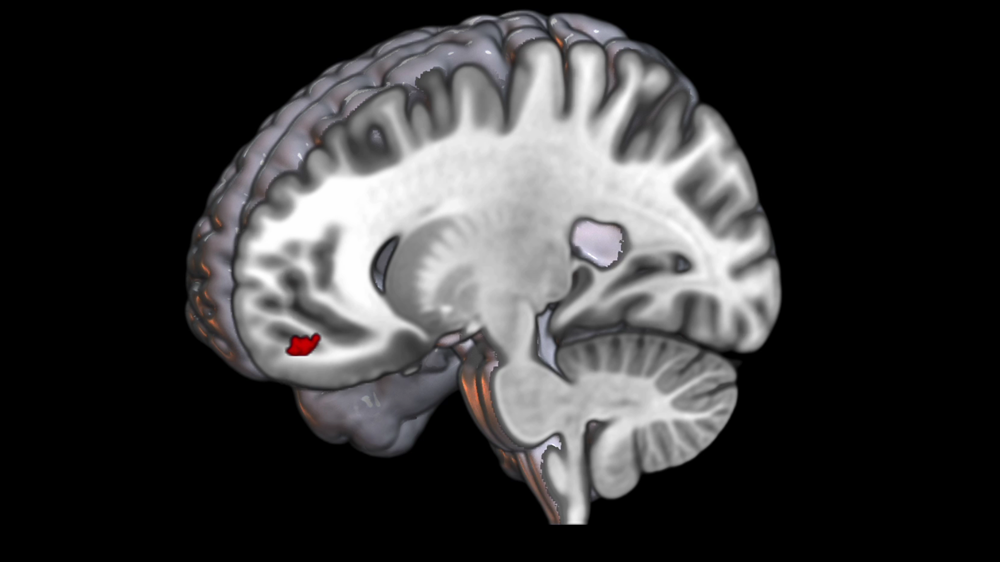
“In a normal human brain, when a repeated stimulus occurs, the brain reduces its response. However, the migraine brain does the opposite and gradually increases its response.” She emphasized that this increase occurs not in the back of the brain where visual processing takes place, but in the orbitofrontal region at the very front of the brain, which is a higher-level control center. She added: “This region is the higher-order control center of vision and also assigns harmful, beneficial, or emotional value to incoming stimuli.”
Prof. Bolay Belen explained that the study demonstrated for the first time that repetitive stimuli in the migraine brain cannot be filtered and are directly linked to pain mechanisms:
“The problem appears to lie in a malfunction of the system that filters out unnecessary or insignificant stimuli, and for the first time we are seeing that a region in the frontal part of the brain is also involved in this process. We have proven this.”
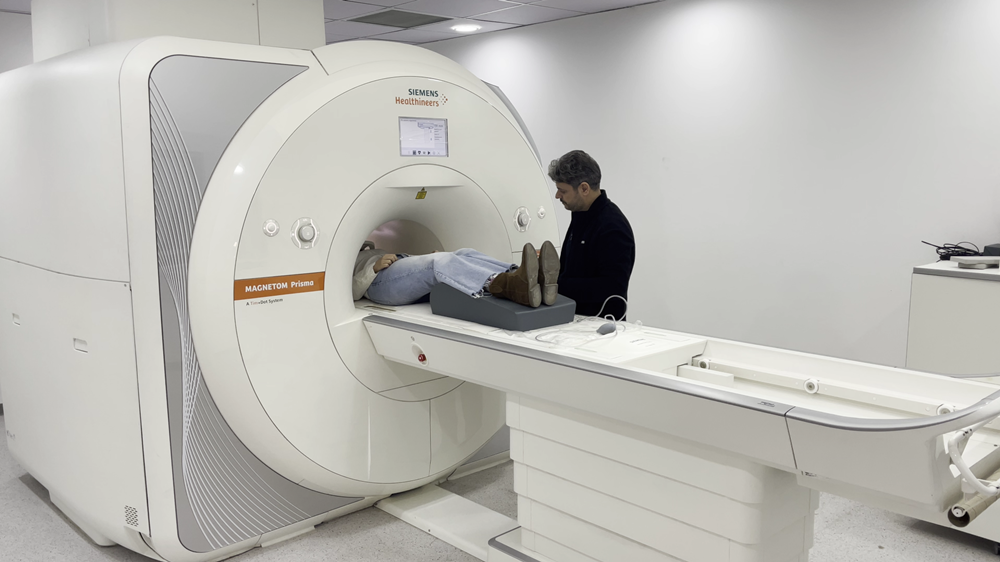
Describing the experimental phase, she noted that MRI findings were obtained by giving migraine and non-migraine participants tasks similar to real-life challenges:
“We developed an experimental model that can simulate real-life problems. We focused on issues frequently reported by patients. People say they feel very uncomfortable when driving or when trying to choose something in places like shopping centers with products stacked up to the ceiling. This sensory sensitivity can also trigger pain. We developed a paradigm to simulate this situation.”
- How can the quality of life of migraine patients be improved?
Prof. Belen offered the following suggestions:
“The intensity of lights in markets or shopping malls can be slightly reduced. Migraine patients especially report discomfort from horizontal lines or striped lighting. A change can be initiated here. These are important for the well-being of society as a whole.”
Dr. Sertaç Üstün from the Department of Physiology in the School of Medicine at Ankara University, one of the researchers, emphasized the sensory processing dimension of migraine: “Migraine is often considered only a headache disorder, but patients report that various visual stimuli are disturbing and perceived differently.”
Postdoctoral researcher Dr. İlkem Güzel added: “We found that lower-level visual processing regions are directly connected to pain regions. This finding helps explain why migraine patients are sensitive to light.”
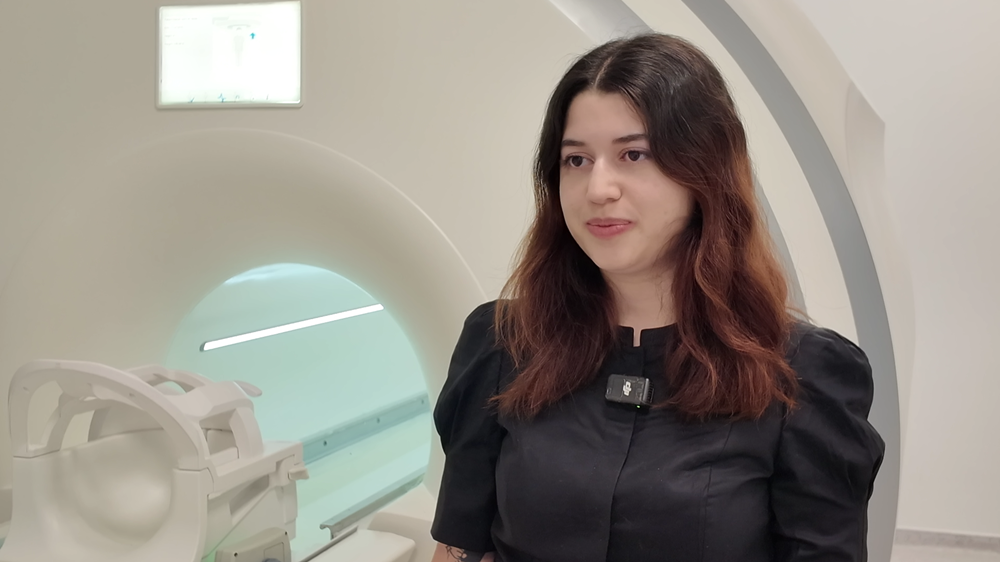
PhD student Ceren Onlat noted that migraine patients are frequently disturbed by visual stimuli such as supermarket shelves, crowded environments, or striped patterns. She added that these stimuli were incorporated into the laboratory setting in a way that reflects real-life conditions, enhancing the ecological validity of the study.
Images
Images