


Amasya University Graduates Take First Step Toward Owning Their Own Farms
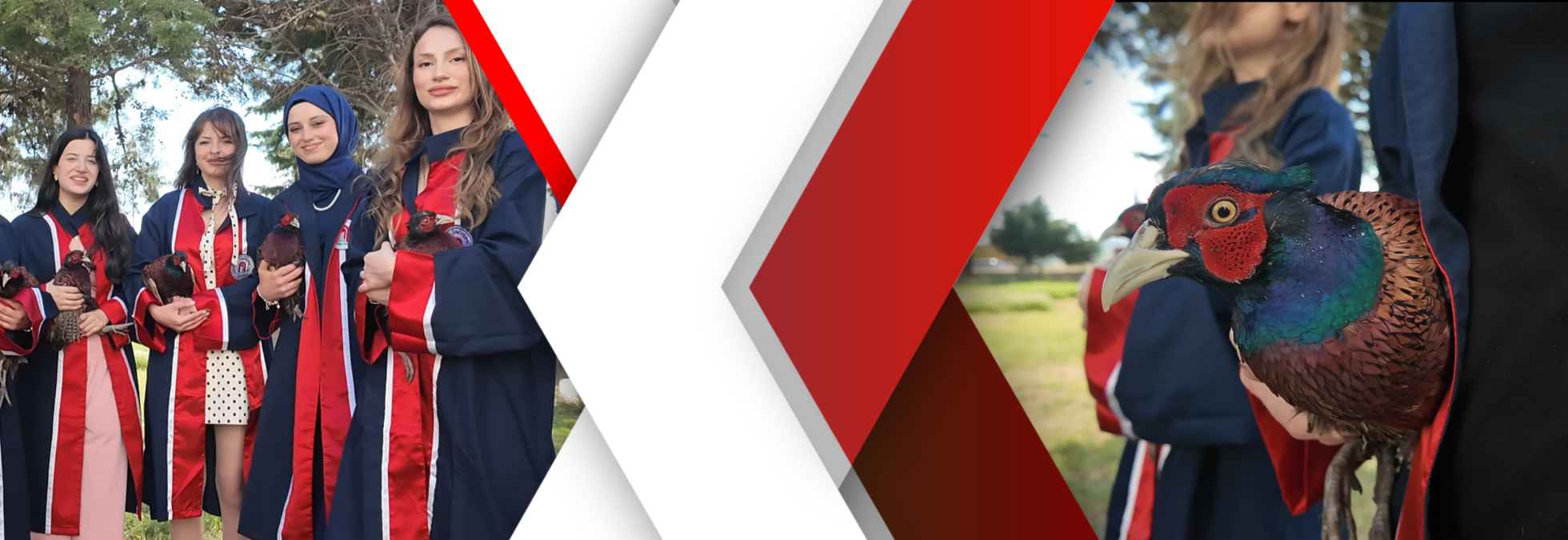
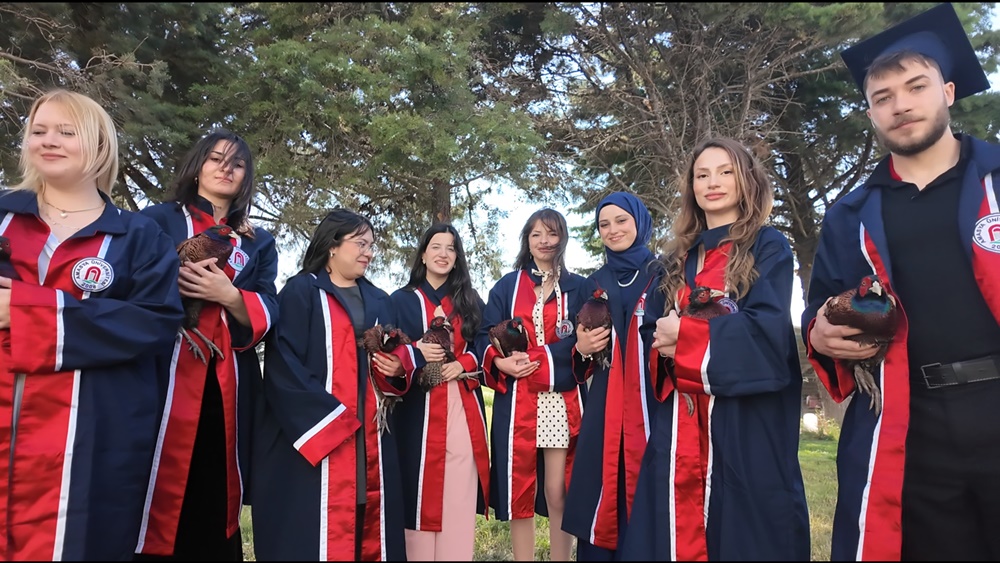
- Through a first-of-its-kind initiative, Amasya University presented its graduates not only with diplomas but also with pheasants they had raised themselves, enabling them to establish their own farms.
- President of the Council of Higher Education Erol Özvar: “Our universities have become institutions that transform knowledge into production, production into employment, and employment into development.”
- Amasya University Rector Prof. Ahmet Hakkı Turabi: “Our goal is to foster the entrepreneurial spirit of our graduates.”
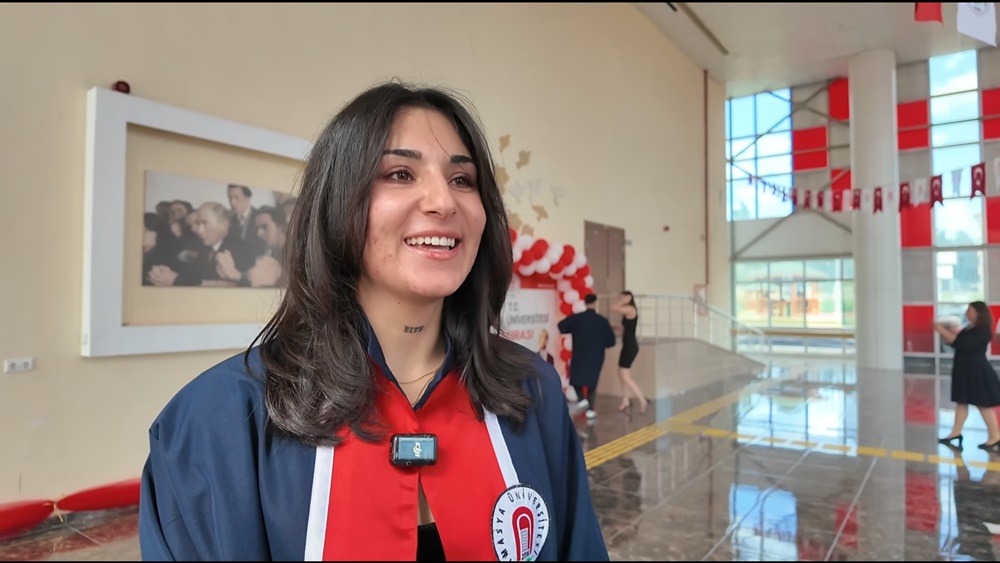
- Graduate Selin Sarıçam: “I’m happy to be taking a living gift 500 kilometers back home.”
June 6, 2026
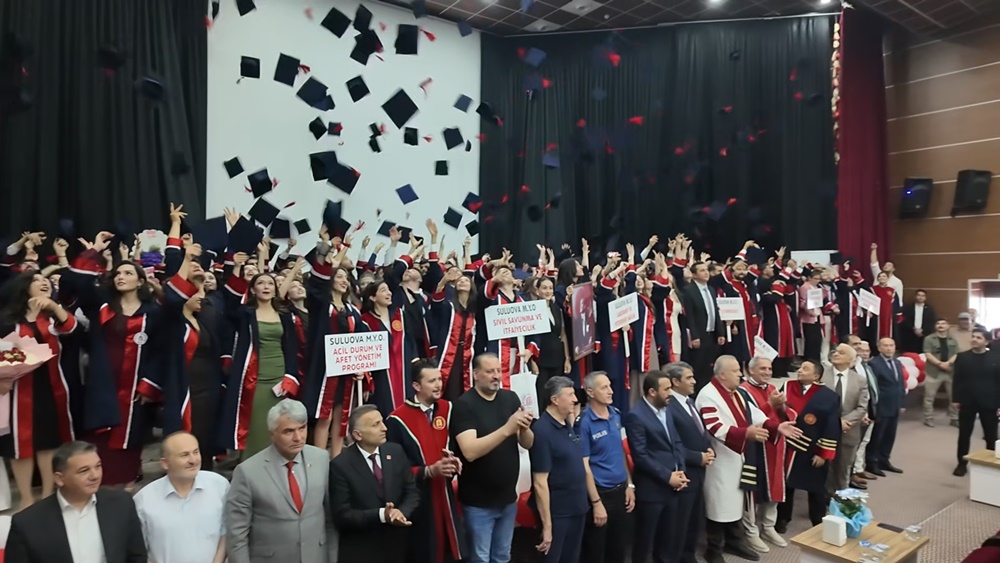
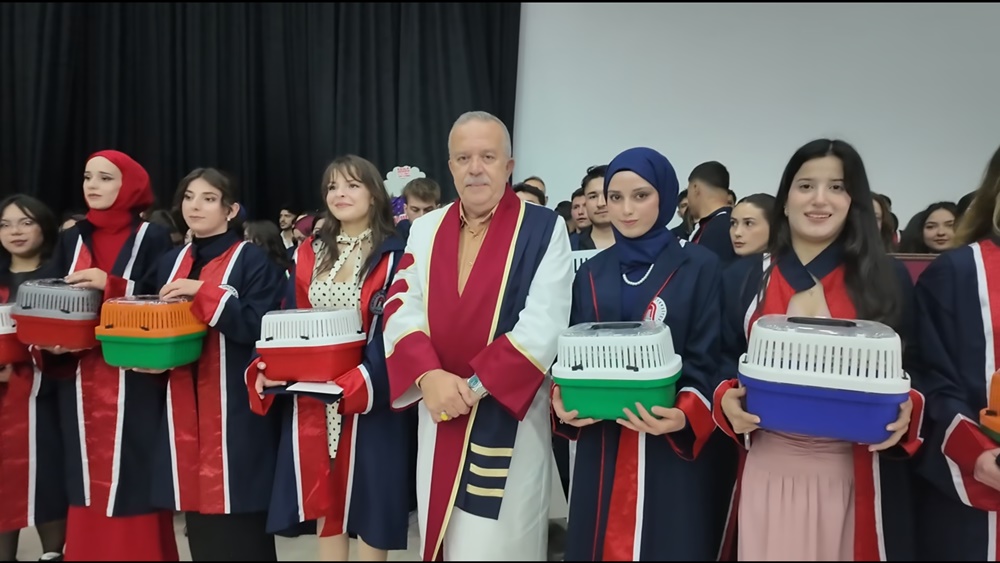
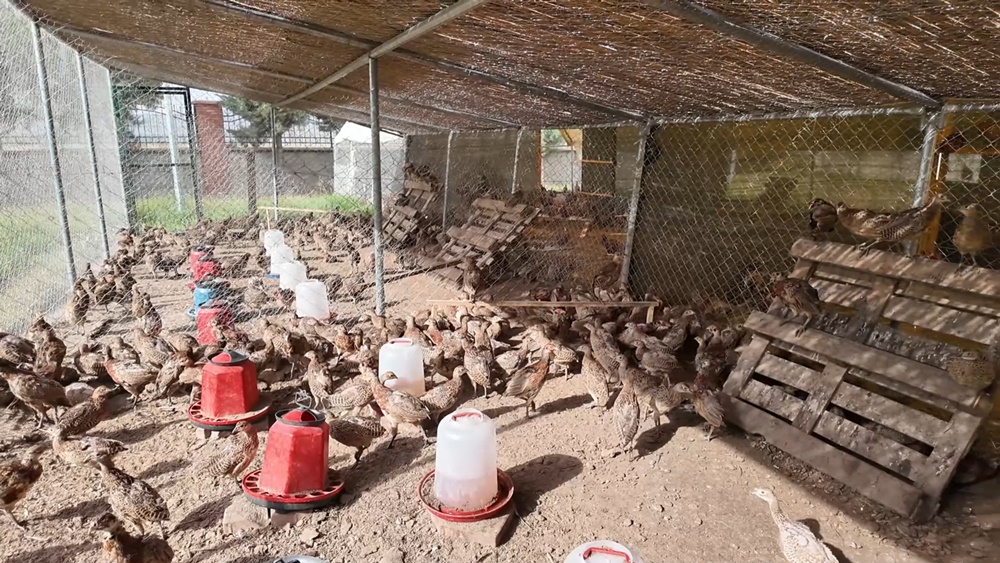
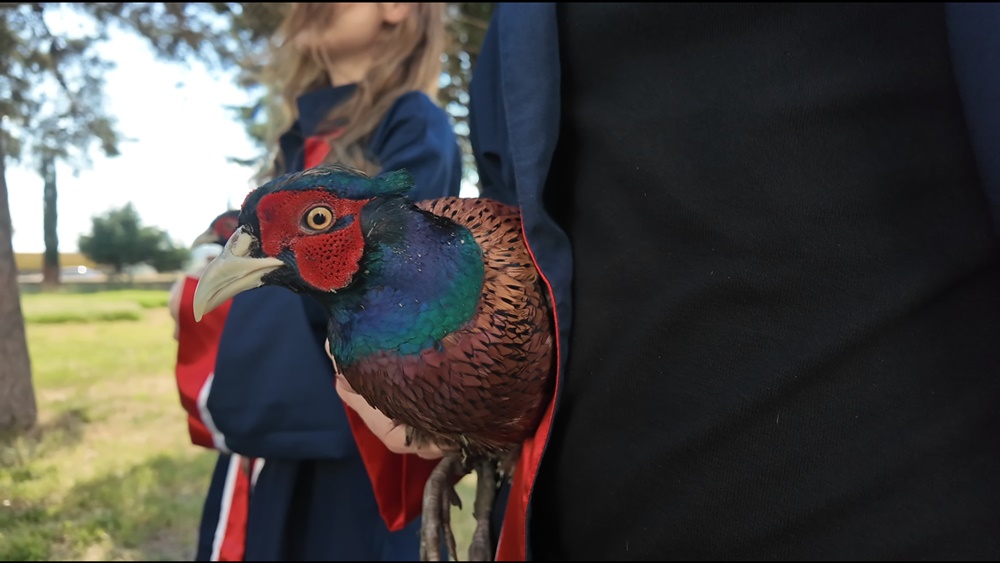
Eleven students who actively participated in pheasant breeding activities at the Suluova Vocational School of Amasya University took their first step toward establishing their own pheasant farms on the day of their graduation. The students plan to breed the pheasants gifted by the university and develop their own businesses.
The model developed by Amasya University aims to educate individuals who, upon graduation, possess not only academic qualifications but also the knowledge, experience, and productive capacity needed to establish their own enterprises.
The project enabled students to combine theoretical knowledge with hands-on practice. They actively participated in every stage of the process, from incubation and animal care to feeding, health monitoring, and productivity assessment.
Observations conducted during the project also revealed that pheasants can naturally consume the brown marmorated stink bug, a pest that causes significant damage to hazelnut production in the Black Sea region. In this respect, the project stands out both as an educational initiative and as a biological pest-control effort.
- Özvar: “We Support Our Students in Becoming Entrepreneurs”
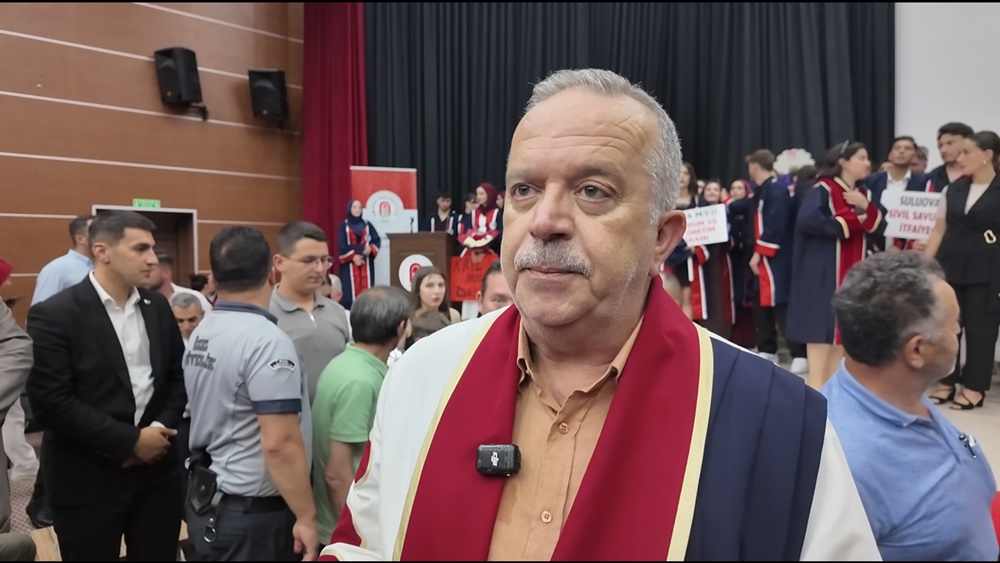
President of the Council of Higher Education Erol Özvar emphasized that one of the fundamental objectives of higher education is not merely to award diplomas but to cultivate qualified individuals who can establish their own professions and think entrepreneurially.
Describing Amasya University’s initiative as an exemplary model that combines theory and practice while preparing graduates directly for productive economic activity, Özvar stated:
“Our universities have become institutions that transform knowledge into production, production into employment, and employment into development. These initiatives in the field of animal husbandry are among the clearest examples of this transformation. Veterinary healthcare is a field with significant employment potential for Türkiye’s agricultural and livestock ecosystem and is not only important today but will remain so in the future. It is particularly valuable that our students will be able to establish their own pheasant farms using the knowledge and skills they acquired throughout their education. We support them in becoming entrepreneurs. I sincerely believe that these young graduates, who will establish their own farms upon graduation, will succeed. Through their knowledge, experience, and entrepreneurial spirit, they will make meaningful contributions not only to their own futures but also to the productive capacity of their regions and our country.”
- Rector Prof. Turabi: “We Offered Our Students an Entrepreneurial Opportunity”
Amasya University Rector Prof. Ahmet Hakkı Turabi emphasized that the initiative was far more than a symbolic graduation gift.
Explaining that students had actively participated in the pheasant breeding project launched two years ago, Turabi said:
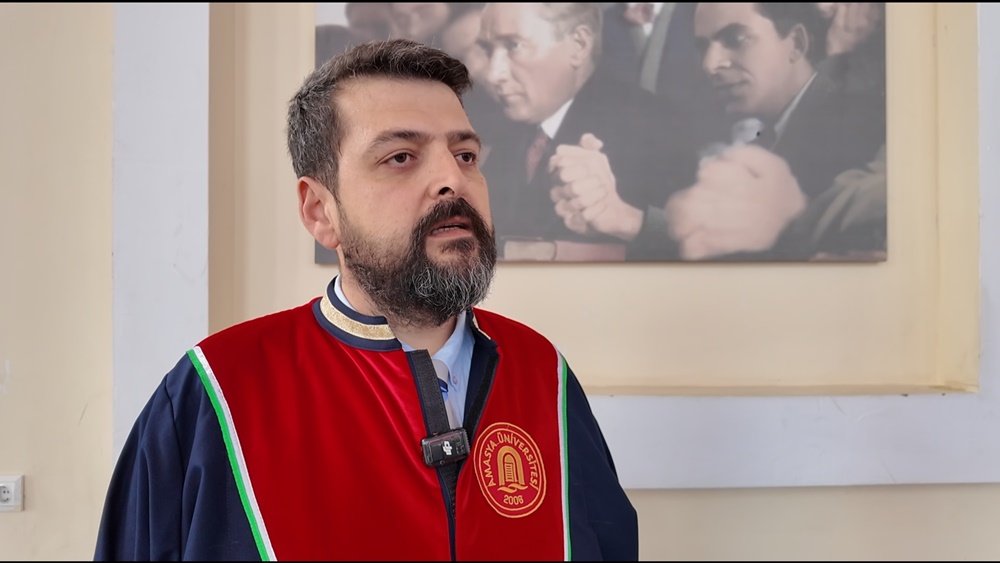
“Today, as a graduation gift, we presented our students with the pheasants they had raised themselves. Our aim is to support the entrepreneurial spirit of our graduates. These students may establish their own farms and begin their own production activities in the future. The moment we handed over the pheasants, I saw in their eyes the joy of parents welcoming a newborn child. At that moment, I once again realized how meaningful and appropriate this initiative is.
Pheasants not only help eliminate brown marmorated stink bugs and other insects from our orchards, but they also remain a valuable source of healthy nutrition. In the coming years, pheasants are likely to become an increasingly sought-after product.”
Turabi added that the university plans to make the initiative a long-standing graduation tradition.
“They Will Apply What They Learned in the Field”
Dr. Melih Sercan Ustaoğlu, the veterinarian and faculty member overseeing the pheasant breeding project, stated that students had gained valuable practical experience throughout their two-year education.
“Our students participated in every stage of the process, from incubation and care to feeding and disease monitoring. Upon graduation, we presented each of them with one female and one male pheasant as recognition of their efforts. We hope to make this practice a tradition. The knowledge they acquired here will be something they can apply in their own businesses in the future.”
- “I Have Taken Hold of My Profession”
Graduate Berkay Güneş stated that he is now ready to put the knowledge he acquired during his studies into practice.
Explaining that his love for animals led him to choose the program, Güneş said: “We learned about care, feeding, and health management at the pheasant farm. Now I plan to raise and breed them in my own garden. I received the knowledge and training I needed throughout my studies. I truly feel that I have now taken hold of my profession.”
Graduate Tuğçe Nazlı Kurt described the pheasant gift as an unforgettable memory.
“We learned how to feed, raise, and care for pheasants and how to manage their diseases. For the first time, I will have animals of my own. I plan to apply everything I learned here. We never expected such a gift. We are all extremely happy and excited.”
- “We Invested Our Effort—Now We Will Breed Them”
Graduate Damlanur Bostaş reflected on how much she had developed during her education. “When I first entered this program, I could not even touch live animals. Now I can raise pheasants and care for them myself. I plan to breed the pheasants we received and introduce this type of production to my family as well,” she said.
Nazlı Başparmak said that the graduation gift was a reward for the effort they had invested throughout their studies. “Now our goal is to breed them and put what we have learned into practice.”
Graduate Selin Sarıçam explained that the students had cared for the pheasants throughout their education.
Noting that pheasants are relatively easy to raise and offer high productivity, Sarıçam said: “I will take good care of them, feed them, and perhaps even breed them. I can confidently say, ‘This is what I’m going to do from now on.’ The support provided by our instructors and the opportunities offered to us have been truly exceptional. I’m happy to be taking a living gift 500 kilometers back home.”
Images
Images