


Historic Transformation in Vocational Higher Education: Students Move from Campus to Workplace
- President of the Council of Higher Education Erol Özvar: “I call on our industrialists—let us shape the governance and curricula of our vocational schools together.”
- The era of short-term internships comes to an end: Students will spend at least one academic term learning in real workplace environments.
- Employment initiative from the Council of Higher Education: Workplace-Based Education Begins for 120,000 Students.
- The Council of Higher Education’s major employment-oriented transformation program has been launched in Gaziantep.
- Özvar announces the opening of a Faculty of Dentistry at Gaziantep Islamic Science and Technology University (GIBTU).
June 12, 2026
The Council of Higher Education has taken a major step in Gaziantep toward implementing its Workplace-Based Vocational Education Model (IME), designed to improve the quality of vocational higher education, enable students to gain professional experience before graduation, and strengthen ties between universities and industry.
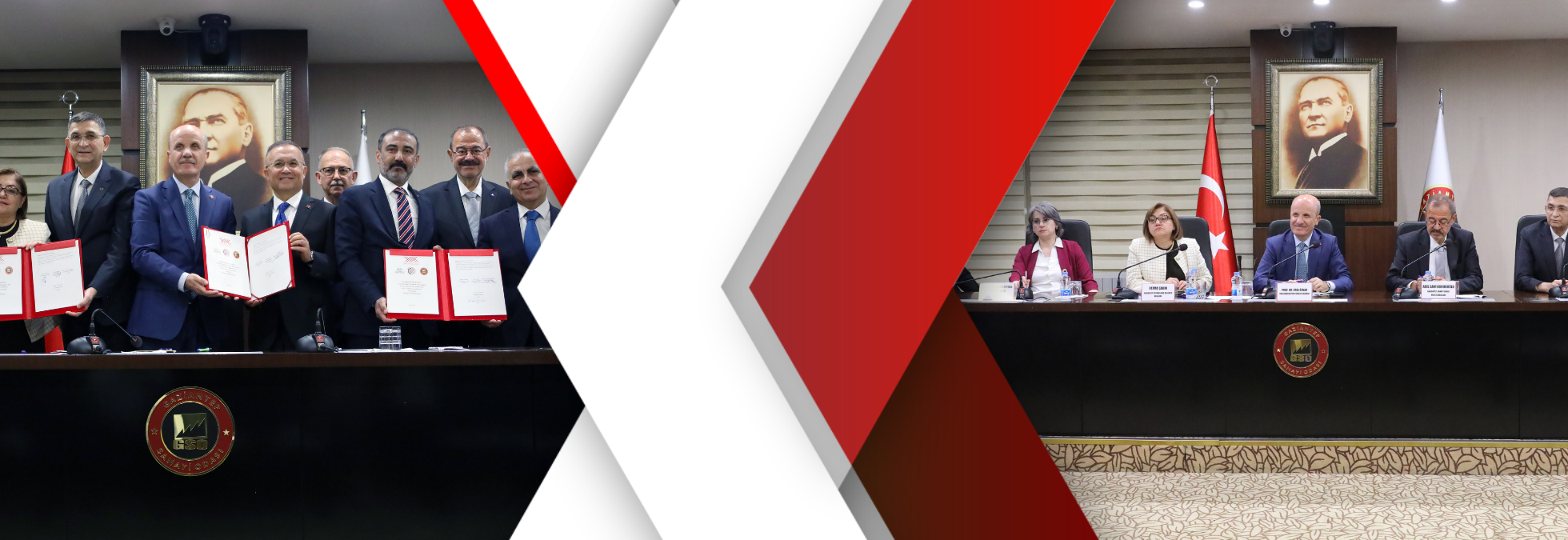
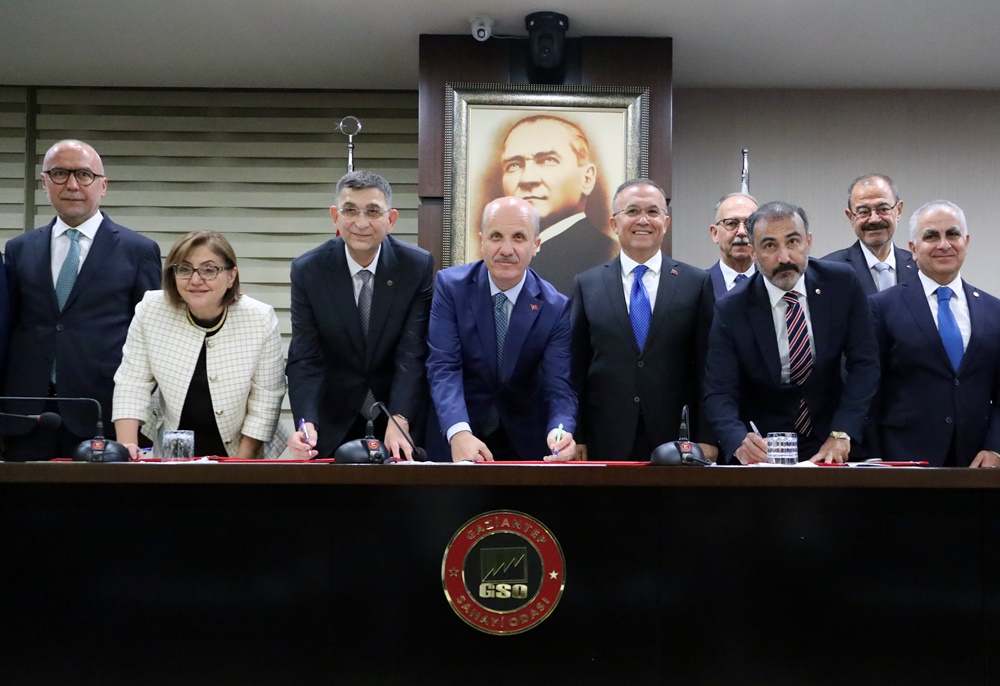
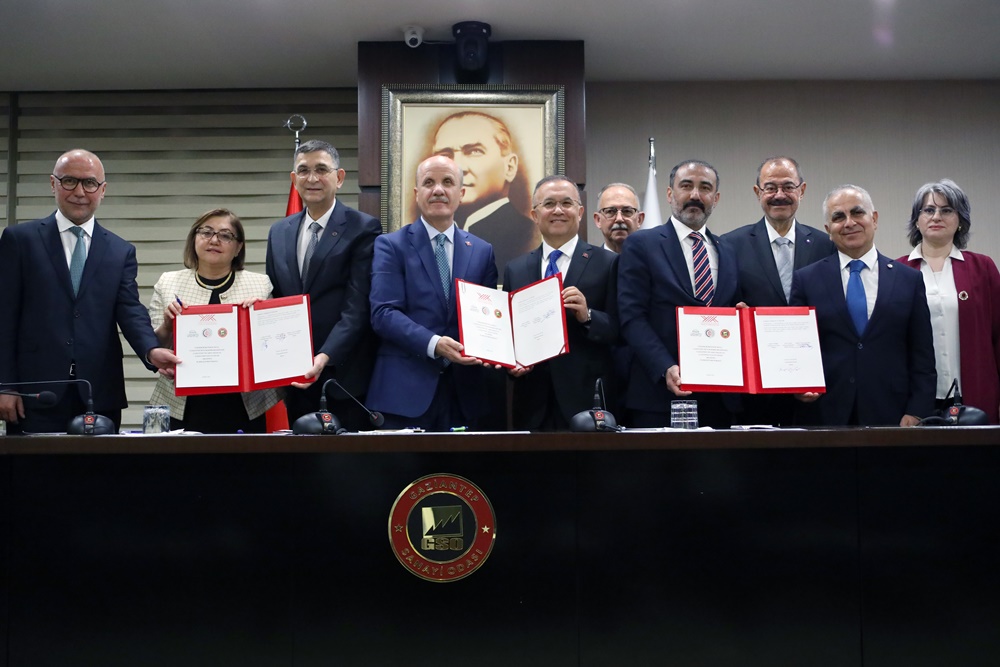
A protocol on the expansion of vocational education was signed between the Council of Higher Education, the Gaziantep Chamber of Industry, the Gaziantep Chamber of Commerce, and the Gaziantep Metropolitan Municipality. The agreement establishes a strong framework for a new model that will allow students to spend a significant portion of their education directly in workplaces.
- Workplace-Based Education for 120,000 Students
Under the IME Model, students will spend their final one or two academic terms in workplaces, depending on the structure of their programs. The traditional internship model will be replaced by a long-term workplace-based learning approach.
The pilot phase will begin in seven provinces—Gaziantep, Konya, Istanbul, Bursa, Kocaeli, İzmir, and Ankara—covering 185 programs and approximately 120,000 students. The model aims to produce graduates who gain professional experience before graduation and possess the qualifications required by industry. Based on the outcomes of the pilot phase, the initiative is expected to be expanded nationwide.
More Than an Internship: Education Embedded in Working Life
Through the new model, students will learn current technologies and sector-specific practices on-site, develop workplace discipline, teamwork, and problem-solving skills, gain professional experience before graduation, and strengthen their career planning through direct interaction with employers.
The model also offers significant advantages for businesses, enabling them to identify, mentor, and develop qualified talent during the education process.
Aiming for Employment Before Graduation
Through this transformation initiative, the Council of Higher Education aims to strengthen practical training in vocational schools, develop programs aligned with industry needs, and integrate students into professional life before they graduate.
Özvar: “We Are Carrying Out an Employment-Oriented Transformation”
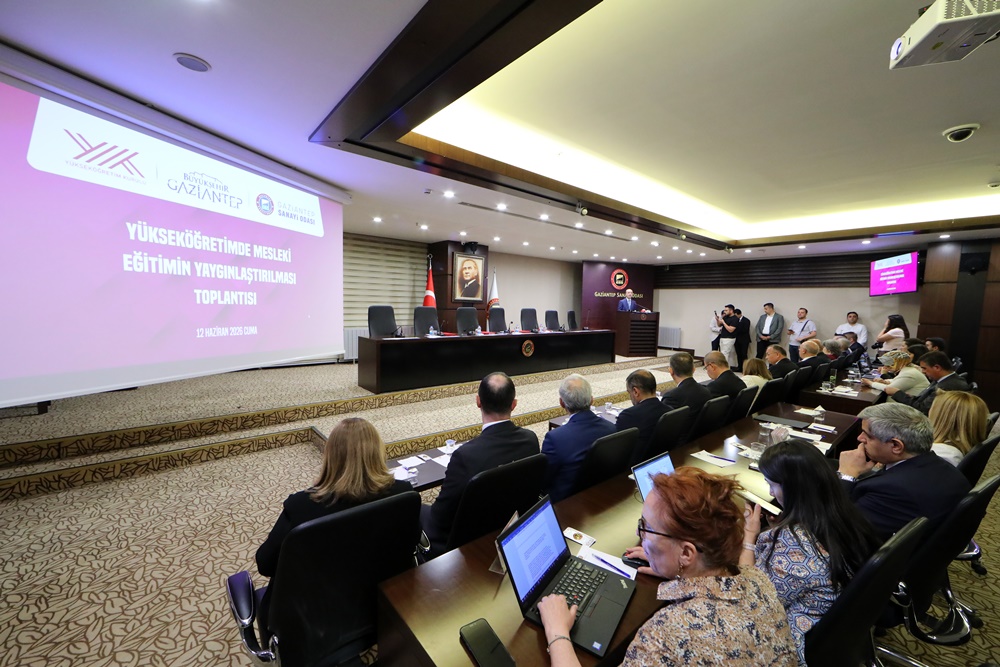
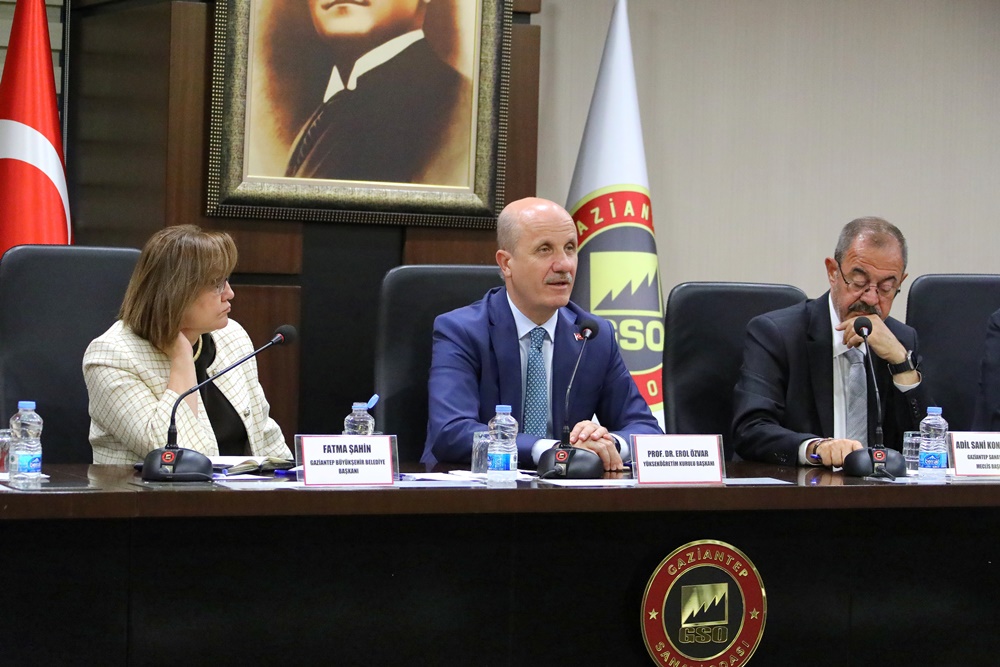
Speaking at the signing ceremony held at the Gaziantep Chamber of Industry, President of the Council of Higher Education Erol Özvar stated that a new employment-focused transformation process is underway in higher education and emphasized that university-industry cooperation is no longer a choice but a necessity.
“Businesses have important responsibilities just as universities do. If industrialists embrace this initiative, we will write a great success story. Let us work together to make this happen. I call on industrialists—let us jointly govern our vocational schools and shape their curricula together.”
Noting that the traditional internship model has long been insufficient to meet contemporary needs, Özvar said: “We are transforming internships from short-term and limited experiences into an integral part of the educational process. Through 3+1 and 2+2 models in vocational schools and 7+1 and 6+2 models in undergraduate programs, we aim for our students to spend one or two academic terms directly within working life. This is not simply a long internship in the traditional sense; it is a structured educational model that carries academic credit, is formally assessed, and is closely monitored.”
Özvar announced that the pilot phase will initially cover 185 vocational associate degree programs with approximately 120,000 students and stated that the results will guide the nationwide expansion of the model.
Strong Support from Gaziantep
Gaziantep Governor Kemal Çeber stated that Gaziantep’s production culture and entrepreneurial ecosystem make it one of the most suitable cities for implementing the model. “If it works in Gaziantep, it will work across the region. Gaziantep is an ideal laboratory for university-industry cooperation and applied education models.”
Gaziantep Metropolitan Municipality Mayor Fatma Şahin emphasized the importance of data and technology in the 21st century. “If we cannot generate data, we will continue to remain merely a market. We are working with great passion to invest in people. Whatever you want to accomplish, we are the province most prepared for it. We have both the human resources and organizational capacity.”
“We Need Engineers Who Can Hold a Wrench”
Gaziantep Chamber of Industry President Adnan Ünverdi expressed strong support from the business community. “We are ready to do our part. We are delighted that this model will be implemented in our province. I believe Gaziantep will become an example and role model for the country through the successful results it achieves. As the Gaziantep Chamber of Industry, together with our members, we fully support this initiative.”
Gaziantep Chamber of Commerce President Mehmet Tuncay Yıldırım underscored the importance of a qualified workforce. “We need engineers and technical professionals who can hold a wrench. We view university-industry cooperation not as a concept, but as a necessity.”
The initiative launched in Gaziantep is expected to lay the foundation for a new model of cooperation between higher education and the world of production.
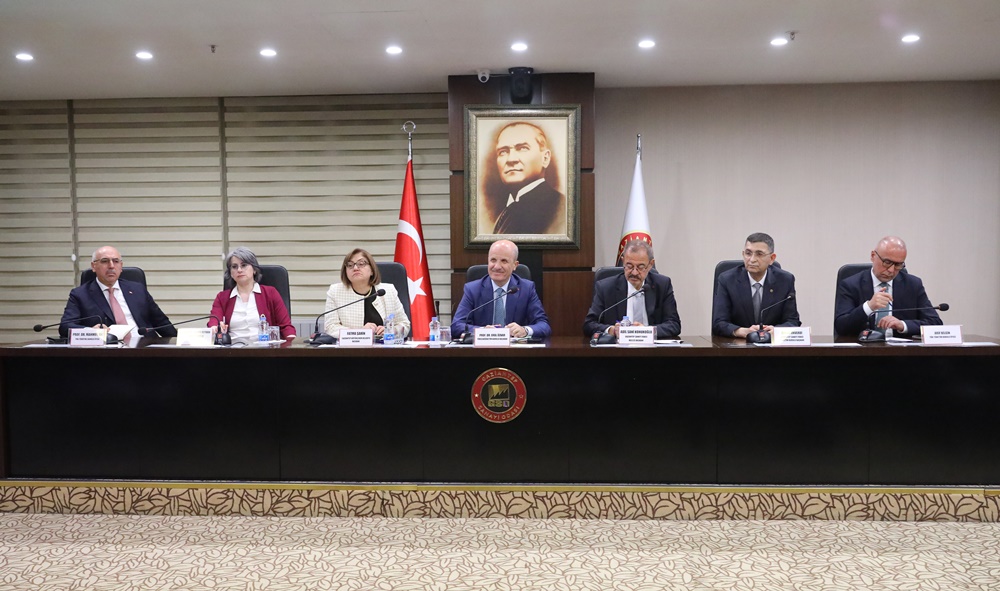
The signing ceremony was attended by President of the Council of Higher Education Erol Özvar, Gaziantep Governor Kemal Çeber, Gaziantep Metropolitan Municipality Mayor Fatma Şahin, Gaziantep Chamber of Industry President Adnan Ünverdi, Gaziantep Chamber of Commerce President Mehmet Tuncay Yıldırım, Chairman of the Assembly of the Gaziantep Chamber of Industry Adil Sani Konukoğlu, CoHE Executive Board Members Prof. Mahmut Ak and Prof. Arif Bilgin, CoHE Board Member Prof. Huriye Reyhan Demircioğlu, and rectors of universities from across the region.
- Özvar Announces New Faculty of Dentistry at GIBTU
Speaking to journalists after the program, Özvar announced that the newly established Faculty of Dentistry at Gaziantep Islamic Science and Technology University (GIBTU) will begin admitting students this year.
He emphasized that efforts to strengthen the faculty’s infrastructure will continue in cooperation with local stakeholders and expressed his best wishes for the success of the new faculty. GIBTU Rector Prof. Şehmus Demir stated that the faculty represents an important development for the university and thanked Özvar for his support.
Prior to the program, Özvar also visited Gaziantep University, where Rector Prof. Sait Mesut Doğan briefed him on the university’s educational activities, scientific research, and ongoing projects.
Images




Images